Getting around can be tough, especially when your car breaks down. For veterans, finding reliable car repair help can sometimes feel like a challenge. But don’t worry, there are groups out there ready to lend a hand. Whether you need help fixing your current ride or finding a new one, this guide is here to point you towards the resources and support available to keep you mobile. Let’s get you back on the road.
Key Takeaways
- Several organizations specifically help veterans with car repair needs, sometimes even providing vehicles.
- Financial aid or assistance programs might be available to cover car repair costs for veterans.
- Donating a vehicle is a way to help veterans maintain their mobility and independence.
- Applying for assistance usually involves filling out forms and providing necessary documentation.
- Having a working vehicle is important for veterans to get to work, appointments, and improve their overall quality of life.
Finding Car Repair Help for Veterans: Your Path to Mobility
Understanding Your Transportation Needs
Getting around can be tough, especially when your car isn’t cooperating. For many veterans, a reliable vehicle isn’t just about convenience; it’s about independence. It means getting to job interviews, doctor’s appointments, or simply being able to pick up groceries without a hassle. Understanding what you need your vehicle for is the first step in finding the right kind of help. Think about your daily routine and what challenges you face when your car is out of commission. Are you missing work? Are medical appointments being skipped? Pinpointing these issues helps when you reach out for assistance.
Resources for Vehicle Maintenance and Repair
Sometimes, a small repair can prevent a bigger problem down the road. There are places that offer help specifically for veterans when it comes to keeping their cars running. These can range from free inspection clinics to organizations that help cover the cost of parts or labor. It’s worth looking into what’s available in your local area. Some community centers even host free car repair clinics for veterans, offering everything from basic checks to actual fixes. It’s a great way to get a professional eye on your car without the usual expense.
Organizations Dedicated to Veteran Auto Assistance
Several groups understand the unique challenges veterans face and are set up to help with vehicle needs. These organizations often provide direct assistance, whether it’s fixing your current car, helping you get a replacement, or even offering financial aid for repairs. They know that a working car can be a lifeline, connecting you to jobs, healthcare, and a more stable life. Some groups focus on repairs, while others might help with vehicle donations or even provide roadside assistance. It’s about finding the right fit for your situation.
A dependable car can make a world of difference. It opens doors to opportunities and helps you maintain your independence. Don’t let car troubles keep you from moving forward.
Support Services for Veteran Mobility
Financial Assistance for Car Repairs
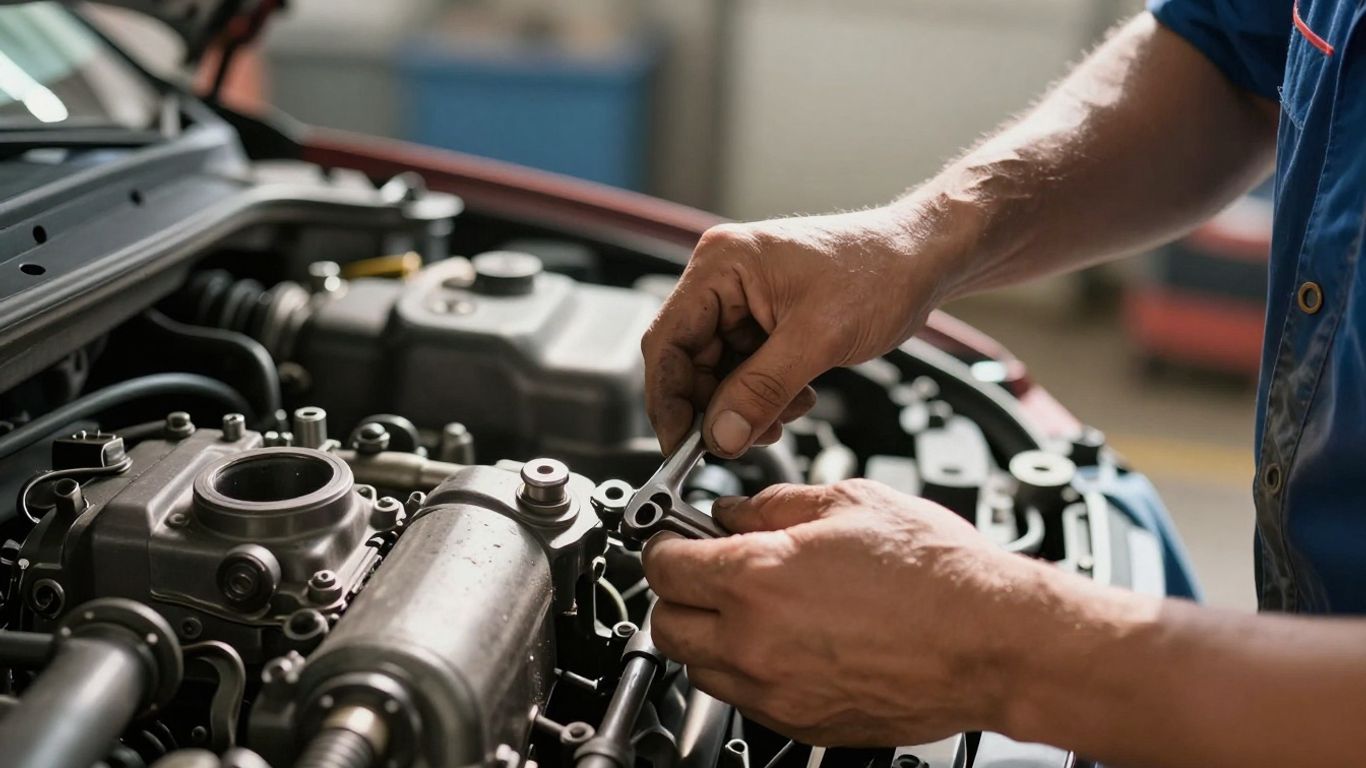
Sometimes, the biggest hurdle to keeping your car running smoothly isn’t the mechanical issue itself, but the cost of fixing it. Many veterans find themselves in a tough spot when unexpected repairs pop up, especially if they’re on a tight budget. Thankfully, there are organizations that understand this and offer financial help specifically for car repairs. These programs can cover anything from a new set of tires to more serious engine work, helping you avoid the stress and disruption of a broken-down vehicle.
Don’t let a car repair bill put your life on hold.
Here’s a look at how some of these services work:
- Direct Repair Assistance: Some groups provide funds directly to a mechanic to cover the cost of repairs. You might need to get a quote first, and the organization will review it.
- Grants or Vouchers: You could receive a grant or voucher that you can use at an approved auto shop. This makes it easier to manage the payment.
- Partnerships with Mechanics: Certain organizations have relationships with repair shops that offer discounted services or special rates for veterans.
It’s always a good idea to reach out to veteran support networks to see what local or national programs are available. They can often point you in the right direction for financial aid that fits your specific situation.
Getting Back on the Road with Vehicle Donations
If your current vehicle is beyond repair or you don’t have one at all, a vehicle donation program might be the perfect solution. These programs accept donated cars, trucks, or other vehicles and then provide them to veterans in need, often at little to no cost. It’s a fantastic way for the community to support those who have served, and for veterans to gain reliable transportation.
- How it works: You can donate a vehicle you no longer need, or you can apply to receive a donated vehicle if you meet the program’s criteria.
- What to expect: The process usually involves an application to show your need and eligibility. Once approved, you might be matched with a vehicle that fits your requirements.
- Benefits: Beyond getting a vehicle, some programs also offer basic maintenance or repair support to help keep the donated car in good working order.
Organizations like M4V accept vehicle donations and use them to help veterans. This is a great way to contribute if you have an extra car lying around, and a life-changing opportunity for a veteran who needs one. Learn about vehicle donations.
Roadside Assistance for Unexpected Breakdowns
Breakdowns happen, and they rarely happen at a convenient time. When you’re stranded on the side of the road, having access to quick and reliable roadside assistance can make all the difference. Some veteran support groups are working to offer this service, helping to get you towed, jump-started, or back on the road with minimal fuss and cost.
- Towing Services: If your car can’t be fixed on the spot, assistance programs can help arrange for a tow to a nearby repair shop.
- Emergency Repairs: Minor issues, like a dead battery or a flat tire, can sometimes be fixed right there by roadside assistance.
- Fuel Delivery: Running out of gas can happen to anyone; some services can bring you a small amount of fuel to get you to the nearest station.
While not all organizations have a fully operational roadside assistance program yet, many are developing these services. Keep an eye out for updates from groups like M4V, as they aim to provide this support to veterans in need. It’s all about keeping you moving and reducing the stress of unexpected car trouble.
Key Organizations Offering Car Repair Help for Veterans
It can be tough when your car breaks down, especially when you’re a veteran trying to manage daily life. Thankfully, there are some great groups out there focused on helping you get back on the road. These organizations understand the challenges veterans face and are dedicated to providing support.
Gilmore Hero Foundation: Repairing and Providing Vehicles
The Gilmore Hero Foundation (GHF) is all about making sure veterans have reliable transportation. They believe a vehicle is a big step towards independence, helping you get to work, doctor’s appointments, and other important places. GHF can help fix your current car so it’s safe and passes smog tests, or they can help you get a different vehicle if needed. They even help with registration and the first year of insurance. If you’re looking for a job, they can lend a hand there too.
- Vehicle Repair: They’ll fix your car to make it road-safe and smog-compliant.
- Vehicle Provision: If repair isn’t an option, they can help you obtain a vehicle.
- Support Services: Assistance with registration, insurance, and even job searching.
If you need help or know a veteran who does, you can reach out to them via email at chris@gilmorehero.us or by calling 530-620-5143. They also accept donations of vehicles, trailers, and RVs.
M4V: Keeping Veterans Mobile
M4V is another organization committed to veteran mobility. They offer a range of services aimed at keeping you moving. This includes assistance with general repairs and maintenance to keep your current vehicle running smoothly. Funding permitting, they aim to do this at little to no cost for veterans. M4V is also working on a roadside assistance program to help with unexpected breakdowns, aiming to get you back on your way quickly and affordably. Beyond car help, they also provide reemployment services, like resume help and mock interviews, to support your career goals.
Getting your car fixed or replaced can feel like a huge hurdle, but knowing there are groups like M4V ready to step in makes a big difference. It’s about more than just a car; it’s about regaining independence and having the freedom to manage your life.
They also accept vehicle donations, which helps them continue their work. If you’re interested in volunteering or learning more about their programs, you can contact them via email or phone.
FINVET: Connecting You to Resources
FINVET acts as a connector, making it easier for veterans to find the support they need. While they might not directly perform repairs, they are a great starting point for finding help with car repairs, gas costs, and even understanding the process of buying a vehicle. They focus on helping veterans meet their basic needs, and transportation is a big part of that. FINVET can point you toward local resources and programs that can assist with your automotive needs, helping you get the support you’re looking for. You can explore their resources for housing, food, and clothing assistance as well, making them a central hub for various veteran support services. This organization is a good place to start if you’re unsure where else to turn for auto assistance.
How to Access Car Repair Assistance
So, you’ve found some great organizations that can help with car repairs, but how do you actually get that help? It might seem a little daunting at first, but breaking it down makes it much more manageable. Think of it like getting ready for a road trip – you need to know where you’re going and what you need to pack.
Applying for Vehicle Repair Programs
Most organizations will have a process for applying, and it usually involves a few key steps. It’s not usually a complicated ordeal, but being prepared is half the battle. Here’s a general idea of what to expect:
- Gather Your Information: You’ll likely need to provide details about yourself, your military service, and your current situation. This often includes proof of service, like your DD-214, and information about your income and household. They want to understand your needs.
- Vehicle Details: Be ready to describe your car – make, model, year, and the specific repair issues you’re facing. Sometimes, you might need to get a quote from a mechanic.
- Submit the Application: This could be an online form, a downloadable PDF, or sometimes you might need to mail or email it in. Read the instructions carefully!
- Follow Up: Don’t be afraid to check in on your application status if you haven’t heard back within the timeframe they provide. It shows you’re serious about getting your car fixed.
What to Expect When Seeking Help
Once you’ve applied, there’s a waiting period, and then potentially an interview or a review of your application. Organizations like FINVET aim to connect veterans with the resources they need, which can include auto assistance. They’re there to help you get back on the road.
Remember, these programs are designed to support veterans. They understand that sometimes life throws curveballs, and having reliable transportation can make a huge difference in managing daily life, from getting to work to attending important appointments. Don’t hesitate to reach out.
Tips for a Smooth Application Process
To make things as easy as possible for yourself, keep these tips in mind:
- Be Honest and Thorough: Fill out every section of the application completely and truthfully. Missing information can cause delays.
- Keep Copies: Make copies of everything you submit. It’s always good to have your own records.
- Be Patient: These organizations often have many applications to review. While they work hard to help everyone, it can take time.
- Ask Questions: If anything is unclear on the application or during the process, ask! It’s better to get clarification than to make a mistake.
Organizations like M4V are dedicated to keeping veterans mobile, and understanding their application process is the first step to getting the support you need. If you’re looking for accessible vehicles, you might also explore options for new and used handicap-accessible vans if your needs are more specific.
The Impact of Reliable Transportation for Veterans
Having a working vehicle is more than just a convenience; for many veterans, it’s a lifeline. It’s the key that unlocks a lot of doors, making everyday tasks and bigger life goals achievable. Without reliable transportation, simple things like getting to a doctor’s appointment or picking up groceries can become a major hurdle. This can lead to missed opportunities and a feeling of being stuck.
Independence Through Vehicle Ownership
A car offers a sense of freedom and self-reliance that’s hard to replace. It means you’re not dependent on others for rides or limited by public transport schedules. This independence is especially important for veterans transitioning back to civilian life, allowing them to manage their own time and responsibilities. It’s about having control over your own schedule and being able to go where you need, when you need to.
Accessing Employment and Appointments
Reliable transportation is directly linked to job opportunities and healthcare access. Getting to job interviews, commuting to work, and attending regular medical appointments are all made possible with a dependable vehicle. For veterans, especially those with service-connected disabilities, consistent access to healthcare is vital. A car can mean the difference between keeping a job and losing it, or getting necessary medical care versus delaying it.
Improving Quality of Life and Well-being
Beyond the practicalities, having a car significantly boosts a veteran’s overall quality of life. It allows for social engagement, whether it’s visiting family, meeting friends, or participating in community events. This connection to others is a big part of mental and emotional well-being. It also opens up possibilities for recreation and personal pursuits, helping veterans feel more integrated into their communities and less isolated. For those looking for accessible transportation solutions, resources like those found in Tampa, Florida, can be a great starting point wheelchair accessible vans.
Reliable transportation helps veterans maintain their independence, access essential services like healthcare and employment, and stay connected with their communities, all of which contribute to a better overall quality of life.
Here’s a quick look at how a vehicle can make a difference:
- Employment: Commute to work, attend interviews, and expand job search areas.
- Healthcare: Get to doctor’s appointments, therapy sessions, and pick up prescriptions.
- Daily Living: Easily manage errands like grocery shopping and household tasks.
- Social Connection: Visit family and friends, and participate in community activities.
- Personal Growth: Pursue education, hobbies, or volunteer opportunities.
Organizations like FINVET are dedicated to helping veterans find resources for auto assistance, including help with car repairs Get help with gas costs, car repairs.
Having dependable transportation can make a huge difference for veterans. It helps them get to important appointments, find jobs, and stay connected with their community. Reliable rides mean more independence and less stress.
Want to learn more about how we help veterans with their transportation needs? Visit our website today to see how you can get involved or find the support you need!
Keep Rolling Forward
So, if you’re a veteran out there needing a hand with your car, remember you’re not alone. There are folks and groups ready to help get you back on the road. Whether it’s a repair, a donation, or just some advice, reaching out is the first step. These resources are there because people understand how important having reliable transportation is for everyday life – getting to work, appointments, or just seeing family. Don’t hesitate to connect with them. They’re rooting for you and want to help you keep moving forward.
Frequently Asked Questions
What kind of car help can veterans get?
Veterans can find help with car repairs, getting a car donated to them, or even help with gas costs. Some groups focus on fixing up a veteran’s current car so it runs safely, while others might give a car to a veteran who really needs one. It’s all about making sure you can get where you need to go.
Are there organizations that specifically help veterans with their cars?
Yes, absolutely! Groups like the Gilmore Hero Foundation, M4V (Mobility for Veterans), and FINVET are dedicated to helping veterans with their transportation needs. They offer various services, from repairs to donations and connecting you with resources.
How do I apply for car repair help?
Each organization has its own way of applying. Usually, you’ll need to fill out an application form, either online or on paper. Be ready to share some information about your situation and why you need the help. It’s a good idea to check each organization’s website for specific instructions.
What if my car breaks down unexpectedly?
Some organizations, like M4V, are working on offering roadside assistance to help veterans get back on the road quickly if their car breaks down. It’s worth checking with these groups to see what kind of emergency help they might provide.
Can I get financial help for car repairs?
While some organizations might offer direct financial aid for repairs, others focus on providing the repair service itself or donating a vehicle. FINVET, for example, helps connect veterans with financial resources, which could include help for car expenses. It’s best to look into the specific programs each group offers.
Why is having a reliable car so important for veterans?
A working car gives veterans independence. It means you can get to job interviews, doctor’s appointments, and work without relying on others. It helps you stay connected with your community and improves your overall quality of life, making everyday tasks much easier.